

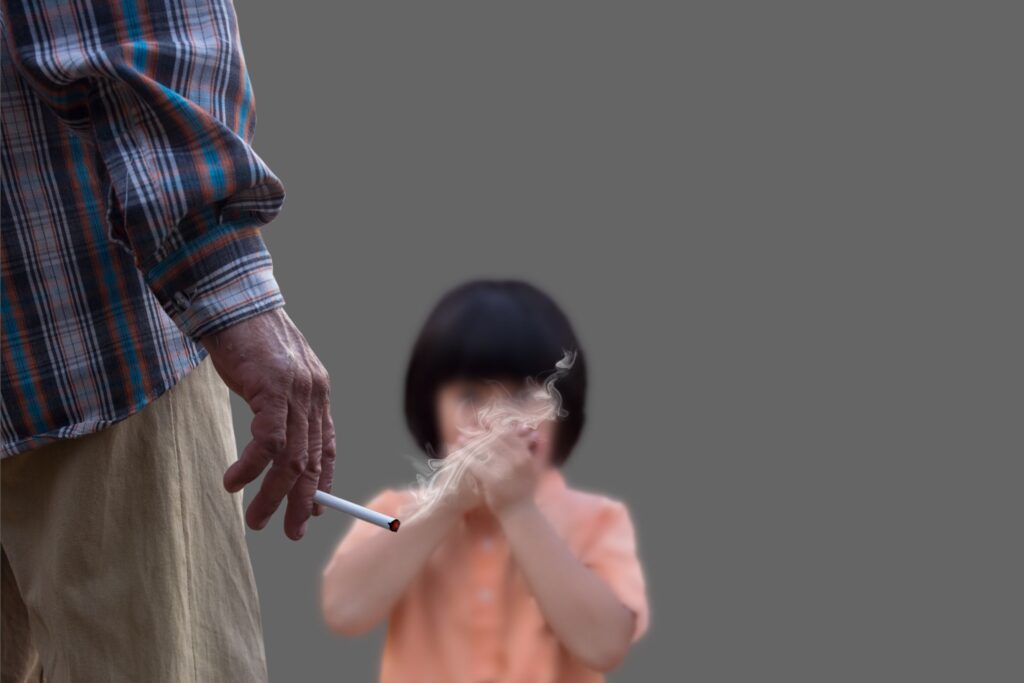
If your child frequently snores at night, reports a headache in the morning, or seems moodier than most kids their age, they might be suffering from sleep apnea. Unfortunately, if you or someone in your home frequently smokes, your habit might be contributing to their condition.
It’s natural to want to do everything you can to help your little one get quality rest at night, but you might hesitate to change your own daily routines if you’re unsure how they impact your child. Continue reading to learn more about how second-hand smoke might be worsening their sleep apnea!
How Many Children Have Sleep Apnea?
Many loving parents assume that children can’t have sleep apnea, so they don’t associate their kid’s symptoms with this nighttime disorder. The truth is that adolescents can also be affected by the different types of this disorder, though obstructive sleep apnea (OSA) is the most common kind, especially in children.
Sources estimate that approximately 20 to 30% of youths snore, though only about 1% to 4% of them suffer from OSA. However, some studies have suggested rates as high as 10% in certain age groups, who are more likely to have enlarged tonsils or adenoids that block their airways when lying down.
How Does Secondhand Smoke Impact Sleep Apnea?
A 2019 study published in the International Journal of Pediatric Otorhinolaryngology has revealed surprising information about the link between sleep apnea and secondhand smoke. This retrospective analyzed the medical records of children between 3 and 18 years old who were found to have severe symptoms of OSA.
Although a direct cause-and-effect relationship has not been established, it was discovered that those who were exposed to secondhand smoke were more likely to develop more severe forms of this nightly condition. Other risk factors might include obesity, a small jaw, enlarged tonsils, muscle weakness, or other medical problems, such as Down syndrome.
How Can I Reduce My Child’s Sleep Apnea Symptoms?
Untreated sleep apnea can negatively affect your child’s growth and development in several ways. For instance, they might struggle to focus during the day, which can impact their behavior and success at school. They might also experience delayed or stunted growth, bedwetting, mood swings, and changes to their brain development due to oxygen deprivation caused by sleep apnea episodes.
One way to help reduce their symptoms is to quit smoking, or at least stop doing it at home, where it affects them. However, depending on the severity of their disorder, you may need to contact your dentist to provide an official sleep test so you can pursue an appropriate solution to improve your child’s health.
If you have questions about how this condition is identified and treated in children, you can contact your sleep dentist to learn more about it!
Meet the Author
Dr. Jennifer Sherwood Bragg is passionate about helping patients in Cumming improve their general health by treating nighttime disorders to provide a quality night’s rest. She earned her dental degree from the Medical College of Georgia School of Dentistry, and today, is a Diplomate of the American Board of Dental Sleep Medicine. If you or a family member are struggling with sleep apnea symptoms, you can request an appointment on the website or by calling (470) 281-9905.