

Sleep Testing for Obstructive Sleep Apnea Cumming
Your Initial Step in the Right Direction
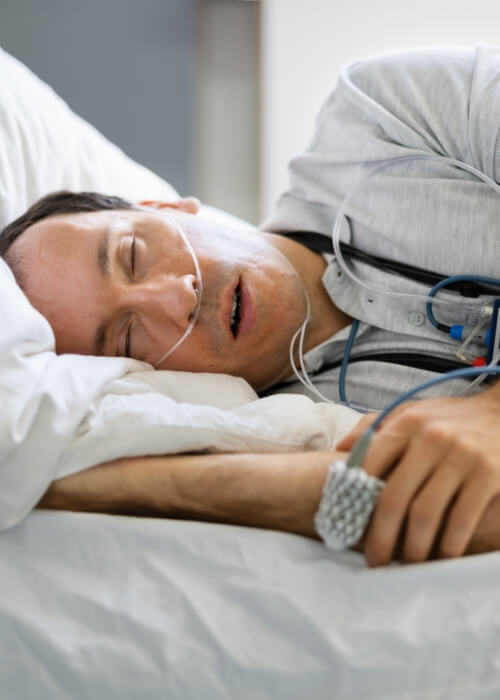
When it comes to determining whether you have obstructive sleep apnea, it’s important that you take the initial first step – sleep testing. At Sleep Forsyth, Dr. Bragg will refer patients to a sleep physician where a formal home sleep test can be performed. Once complete, she can begin the next phase – treatment – which will put you closer to enjoying uninterrupted sleep. Call us today if you want to inquire about sleep testing in Cumming.
Why Choose Sleep Forsyth for Sleep Apnea Testing?
- We Refer Patients to Sleep Physicians for Formal Diagnosis
- Customized Oral Appliances for Added Convenience
- Dentist with Advanced Training & Credentials
Do I Need a Sleep Test?

The only way to determine if you need a sleep test is to identify whether you are struggling with one or more common symptoms associated with sleep apnea. If so, you’ll want to schedule an appointment with Dr. Bragg to discuss the option of undergoing a sleep test.
Some of the signs that you need a sleep apnea test might include:
- Snoring
- Chronic Fatigue
- Insomnia
- Moodiness
- Lack of focus
- Insomnia
- Depression
- Restless leg syndrome
- Frequent headaches
- Gasping when waking
How a Take-Home Sleep Test Works

Typically, a sleep physician will recommend a take-home sleep test. This one is largely favored by patients because of the ability to sleep in their own bed.
Depending on the type of take-home sleep test that is recommended, you will be provided instructions on how to wear it properly so that accurate readings are recorded. Most of these devices have fewer cords and are more comfortable to wear. As you sleep, the specialized device will monitor and track your vitals much in the same way the in-lab testing devices do.
Your heart rate, airflow, pulse, oxygen, and other similar vitals are recorded while you sleep so that when you wake, a sleep physician can review everything.
A take-home sleep test is naturally what most patients prefer simply because of its convenience and comfort.
How an In-Lab Sleep Test Works
At times, if HSAT is inconclusive, a sleep physician may suggest that you undergo an in-lab sleep test. This involves sleeping at a hospital or laboratory and having a technician hook you up to various devices, which you will wear while asleep. Throughout your time spent sleeping, the devices will track your sleep patterns and vitals, including your heart rate, pulse, brain activity, and breathing. Once the process is complete, the data from the devices will be collected so that the sleep physician can analyze it and determine if sleep apnea exists.
Sleep Testing FAQs
What Is Measured During a Sleep Test, and Why?
Sleep tests record several indicators that help identify sleep apnea and other sleep-related breathing disorders. Depending on the type of test you undergo, these measurements may include:
- Airflow
- Breathing effort
- Blood oxygen levels
- Snoring volume
- Sleep position
- Brain activity
- Eye movements
Sleep physicians look at changes in these patterns to see if your airway collapses during sleep, how often your breathing stops, and how severely oxygen levels drop. This is key information that’s necessary for an accurate diagnosis. Dr. Bragg will review these results with you and discuss which treatment is right for your needs.
How Long Is a Sleep Test?
Sleep testing in Cumming can vary in length depending on whether you complete it at home or in a sleep lab. At-home sleep tests are usually designed to record data for a single night. However, their results can be inconclusive, requiring additional time.
In?office sleep studies provide the most comprehensive data, measuring multiple data points to assess your sleep stages. These generally only require one night of measured sleep.
Dr. Bragg can help connect you with trusted sleep physicians in the Cumming area who will guide you through the sleep testing process. Once complete, she’ll help you get the treatment you need.
What Equipment Will Be Used in My At-Home Sleep Study?
At-home sleep studies use simplified equipment that allows you to sleep comfortably while still gathering essential data. Your kit may include:
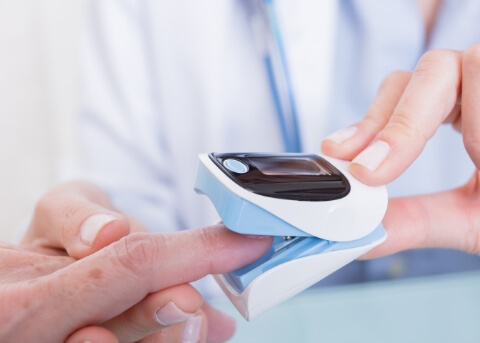
- Pulse Oximeter: A finger probe that measures blood oxygen saturation.
- Respiratory Effort Sensor: A chest or abdominal strap that records breathing effort and pauses.
- Nasal Cannula: Soft nasal tubes that monitor airflow during inhaling and exhaling.
- Snore Microphone: A small sensor used to detect the sound of your snoring.
These devices are usually connected to an app on your phone that collects the data and sends it to your sleep physician, so they can view it. This makes at-home tests extremely non-invasive and easy to use.
What Happens During an In-Office Sleep Test?
An in-office sleep study takes place overnight at a dedicated sleep center. There, trained technicians attach specialized sensors to you to monitor your breathing, heart rate, oxygen levels, brain activity, and body movements.
The room itself is designed to feel similar to a quiet bedroom, and you are free to get up if you need to use the bathroom or talk to the technicians. However, the goal is for you to sleep as naturally as possible, so it’s best to relax and try to go about your normal sleep routine.
Afterward, the sleep physician analyzes the data and sends Dr. Bragg a report outlining your results and treatment recommendations.
What is Sleep Apnea? Snoring Oral Appliance Therapy (OAT) View Our Services