

Obstructive Sleep Apnea Cumming
Helping You Breathe Freely Throughout the Night
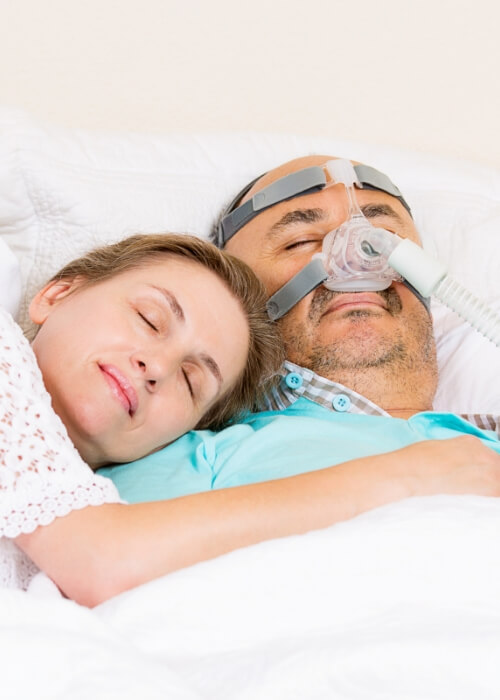
Obstructive sleep apnea is a serious condition that affects your ability to breathe freely throughout the night. A blockage occurs in your airway, making it difficult to breathe. The body must respond rapidly if air is to flow correctly, which is why you may wake suddenly gasping for air. At Sleep Forsyth, Dr. Bragg and our team want to help! If you suspect that you may be living with obstructive sleep apnea in Cumming, give us a call today.
Why Choose Sleep Forsyth for Obstructive Sleep Apnea Treatment?
- In-Network with Multiple Insurance Plans
- Dentist with Advanced Training, Credentials, & Qualifications
- Tele-Health Visits Are Available for Certain Appointments
What Causes Obstructive Sleep Apnea?
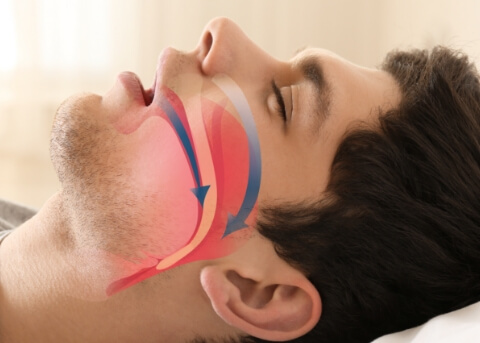
Although there may be different reasons why obstructive sleep apnea (OSA) occurs, the most common culprit is the soft tissues of the mouth collapsing onto the throat. When the throat becomes relaxed, it can fall back onto your airway, making it difficult to breathe freely. As seconds tick by, the brain becomes triggered by the body’s need to breathe. This spurs the sudden awakening and gasping for air.
Possible Complications of OSA
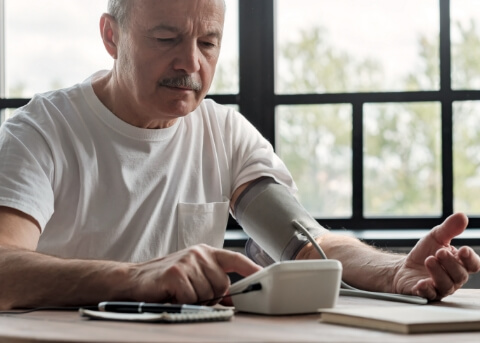
Problems can arise that often point to OSA, such as:
- High blood pressure
- Stroke
- Heart attack
- Drowsy driving
- Chronic fatigue
- Frequent headaches
- Moodiness
- Obesity/weight gain
- Loss of libido
Types of Treatment for Obstructive Sleep Apnea
When visiting Dr. Bragg to discuss OSA, there is a good chance that she will evaluate and offer one or more treatment options. It is often helpful to combine solutions to minimize symptoms and improve quality of life.
Lifestyle Changes

If smoking, alcohol consumption, or your weight are contributing to your OSA, Dr. Bragg might recommend lifestyle changes as part of your treatment plan. This might include cessation resources to help you quit tobacco usage, limiting your alcohol, and establishing an exercise routine and healthy diet.
CPAP
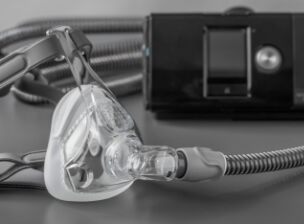
Continuous positive airway treatment (CPAP) is a common form of treatment that many patients use and see success with. As air is pushed through the mask that is worn over both the nose and mouth (or just the nose), it allows the airway to remain open while sleeping.
Oral Appliance Therapy (OAT)
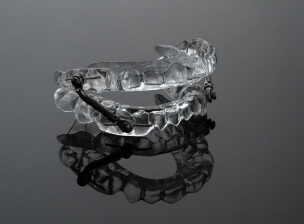
A custom-fit oral appliance is an effective treatment option for sleep breathing disorders such as obstructive sleep apnea and snoring. The appliance can also help address the disorders’ associated challenges, such as persistent fatigue and teeth grinding, among others.
Oral Appliances (OA) are similar to a light nightguard, and they provide an alternative to CPAP and surgery. They work by repositioning the jaw to open the central airway and allow an unobstructed flow of oxygen. We offer a wide range of appliance options, which are then custom fit to the wearer to maximize the efficacy of the device and the relief that patients experience.
Learn More About Oral Appliance Therapy (OAT)
Combined Therapy
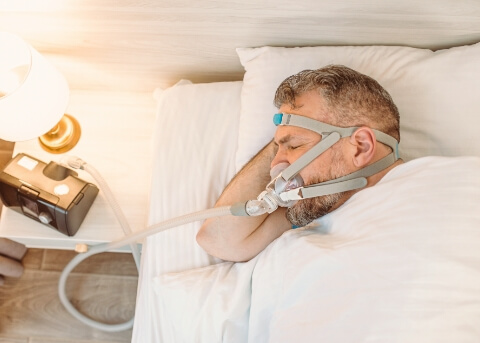
If you have severe OSA, you may be recommended for combination therapy. This includes using both an Oral Appliance and CPAP to ensure your airway remains open. The CPAP machine is set on a lower setting while you wear the Oral Appliance. Both work together to keep air flowing freely while you sleep.
Surgery

When the most serious situations arise, you might be recommended to have a surgical evaluation. Our team can help you take the next steps if necessary. Whether you need your tonsils or adenoids removed, could benefit from an Inspire® implant, or other options, we will refer you to one of our trusted partners.
Obstructive Sleep Apnea FAQs
What Is Obstructive Sleep Apnea?
Obstructive sleep apnea is a frustrating and common medical condition that makes it difficult for a patient to breathe during sleep and can make it virtually impossible for them to get adequate rest. This usually happens due to the relaxing tissues in the throat weighing heavily upon the airway, which restricts how much air the body can receive. When the brain realizes it isn’t getting enough oxygen, it will send a distress signal to the rest of the body, causing the sleeper to awaken suddenly and out of breath. In extreme cases, this can happen more than a hundred times in a single night.
Does Everyone with Sleep Apnea Snore?
Not all people with sleep apnea snore, and not all people who snore have sleep apnea. To be diagnosed with this condition, you will need to receive a sleep test from a qualified sleep doctor. After you are diagnosed, the team at Sleep Forsyth Dental Sleep Medicine will be happy to help you find an appropriate solution so you can enjoy more fulfilling rest and better health.
Can I Treat Obstructive Sleep Apnea at Home?
While it may be necessary for you to receive professional treatments from the team at Sleep Forsyth Dental Sleep Medicine to achieve lasting relief from your sleep apnea symptoms, there are a few home remedies that may help you manage the problem. Some of these include:
- Propping up your head: Sleeping in a recliner or using pillows or cushions to keep your head in an elevated position can allow gravity to pull the weight of the relaxing tissues in your throat away from your airway, which may make it easier to breathe.
- Quitting smoking: Tobacco use makes it harder for your body to absorb oxygen, so kicking this nasty habit can make it much easier to breathe when you sleep.
- Avoiding alcohol: Alcohol is a muscle relaxant, so drinking in the hours before bed may make it easier for the tissues in your neck to restrict your airway.
- Exercise: Regular physical activity will teach your cardiovascular system to run more efficiently, which may help you breathe more easily during sleep. A vigorous workout will also leave you more tired at the end of the day, which will set you up for excellent slumber.
- Smart eating decisions: Eating heavy food or too soon before going to bed can put a lot of strain on your digestive system and set you up for poor sleep.
- Aromatherapy: Many patients report that the scent of essential oils like lavender can make it easier to sleep soundly.
What Are Risk Factors for Sleep Apnea?
Certain lifestyle habits and health conditions can make a person more likely to experience sleep apnea. A few of these are:
- Being male: Men are twice or thrice as likely to experience sleep apnea as women.
- Menopause: Women are more likely to develop sleep apnea after menopause.
- Excessive weight: Being overweight or obese can make it easier for your airway to become constricted during sleep.
- Tobacco use: Smokers are three times as likely to have sleep apnea as those who have never smoked.
- Age: Older adults are more likely to develop sleep apnea.
- Family history: People who are related to people with sleep apnea may be more likely to develop the condition.
- Nasal congestion: Allergies or respiratory infections can make it more difficult to breathe during sleep.
- Certain medical conditions: People with high blood pressure, type 2 diabetes, and previous cardiovascular events are more likely to experience sleep apnea.